LoRaWAN (Long Range Wide Area Network) is a wireless communication protocol designed for low-power, long-distance IoT devices. Built on LoRa radio technology, LoRaWAN sensors operate for years on small batteries while transmitting data over several miles. This makes LoRaWAN ideal for building management, outdoor facilities, and distributed assets like car dealerships where running power and network cables is impractical or expensive. In Albuquerque and Santa Fe, LoRaWAN enables cost-effective smart building solutions without major infrastructure changes.
How LoRaWAN Technology Works
LoRaWAN architecture: devices transmit small data packets to a LoRaWAN gateway connected to your network or the internet. A single gateway covers 2-10 miles in open areas or several city blocks in urban environments. Sensors sleep most of the time and wake only to transmit readings, achieving battery life of 5-10 years. Data flows to a network server and then to a cloud platform or local application server for monitoring, alerting, and analytics. LoRaWAN is an open standard maintained by the LoRa Alliance, ensuring interoperability between manufacturers.
Building Management Applications
Building HVAC and temperature monitoring. Deploy wireless temperature and humidity sensors throughout a commercial building without running new wires. Track temperature variations between floors, identify hot or cold spots, and optimize HVAC schedules based on actual occupancy and conditions. For multi-tenant buildings, provide per-suite environmental data. Albuquerque buildings with aging HVAC systems benefit from real-time monitoring that detects failures before occupants complain.
Garage and workshop air quality monitoring. Automotive shops, dealerships, and parking garages need to monitor carbon monoxide, volatile organic compounds, and particulate matter for safety and compliance. LoRaWAN air quality sensors provide continuous monitoring with alerts when thresholds are exceeded. This is critical for employee safety in service bays and detailing areas where fumes accumulate. Logs provide compliance documentation for OSHA and environmental regulations.
Water leak detection and prevention. Place battery-powered leak sensors under water heaters, near HVAC units, in restrooms, and around building perimeters. When water is detected, receive immediate alerts via SMS or email so you can respond before minor leaks become major damage. For property managers overseeing multiple buildings, centralized leak monitoring saves thousands in water damage and insurance claims. One client avoided a 50,000 dollar flood by receiving a 3 AM leak alert.
Dealership and Vehicle Management
Dealership vehicle and asset tracking. LoRaWAN GPS trackers on car lot inventory enable real-time location tracking. Know when vehicles are moved, how long they have been in specific locations, and receive alerts for unauthorized movement after hours. Track test drives, shuttle vehicles, and loaner cars. Extend this to equipment like lifts, diagnostic tools, and demo units across multiple locations. For Albuquerque dealerships with large outdoor lots, LoRaWAN GPS trackers improve inventory management and theft prevention.
Door and access monitoring for remote buildings. Use LoRaWAN sensors to monitor door open/close status on storage buildings, equipment sheds, or rarely visited facilities. Receive alerts when doors are opened outside business hours or remain open longer than expected. This provides security visibility for properties without expensive alarm systems or network infrastructure. Combine with LoRaWAN cameras for visual verification of access events.
Predictive maintenance with vibration and equipment sensors. Monitor motors, pumps, HVAC units, and elevators with vibration and temperature sensors that detect abnormal operation before catastrophic failure. Schedule maintenance based on actual equipment condition rather than fixed intervals, reducing downtime and repair costs. For manufacturing or facilities with critical equipment, predictive maintenance delivers significant ROI. One warehouse reduced unplanned downtime by 60 percent with LoRaWAN equipment monitoring.
Parking and occupancy tracking. LoRaWAN sensors in parking spaces detect vehicle presence and update a real-time occupancy map. Employees or customers use an app to find available spaces, reducing congestion and frustration. Extend this to desk booking and conference room management in flexible office spaces. For property owners, occupancy data informs pricing, staffing, and space allocation decisions. Albuquerque office buildings use LoRaWAN to optimize parking and justify rental rates.
Car wash and service tracking. Install LoRaWAN sensors at car wash stations, detailing bays, or service lanes to automatically log when vehicles enter and exit. Track service times, throughput, and usage patterns without manual logging. For dealerships offering complimentary washes, this provides usage data for budgeting and customer service metrics. Alert managers if a vehicle remains in a bay longer than expected, indicating potential issues.
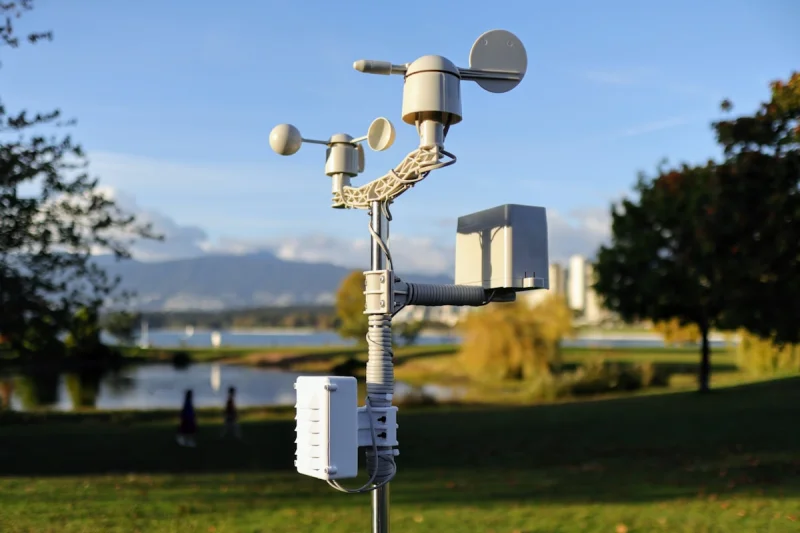
Outdoor environmental monitoring. Track temperature, humidity, wind speed, and rainfall at outdoor facilities. Useful for construction sites, agriculture, golf courses, and event venues. Combine with soil moisture sensors for landscaping and irrigation management. For Albuquerque and Santa Fe properties where water conservation is critical, LoRaWAN-based smart irrigation reduces water use by 30-50 percent while maintaining healthy landscapes.
Energy monitoring and submetering. LoRaWAN power monitors track electricity consumption at the circuit or device level without expensive panel upgrades. Identify energy hogs, verify equipment shutdowns after hours, and allocate utility costs to tenants or departments. For businesses targeting sustainability goals, granular energy data drives reduction initiatives. One office building identified 15,000 dollars in annual waste from equipment left running overnight.
Livestock and outdoor asset tracking. Ranchers and agricultural businesses use LoRaWAN GPS collars for livestock tracking and geofencing. Monitor animal locations, set up virtual fences, and receive alerts if animals leave designated areas. Also applicable to trailers, heavy equipment, and remote generators. New Mexico ranchers with large properties benefit from LoRa range and low infrastructure requirements compared to cellular trackers.
LoRaWAN vs Other IoT Technologies
LoRaWAN versus other IoT connectivity. Wi-Fi has short range and requires power, making it unsuitable for distributed sensors. Bluetooth is even shorter range. Cellular offers wide coverage but requires subscriptions, has higher power consumption, and sensors cost 3-5x more. Zigbee and Z-Wave are good for home automation but have limited range. LoRaWAN excels for battery-powered sensors over large areas with infrequent data transmission. For building management and outdoor monitoring, LoRaWAN is often the optimal choice.
Deployment Planning and Integration
Deploying LoRaWAN: gateway and sensor planning. Start with a site survey to determine gateway placement and coverage. Urban buildings may need one gateway per floor while open dealerships might cover the entire lot with one. Choose sensors based on application: temperature, humidity, door contact, motion, GPS, air quality, etc. Many vendors offer complete starter kits. For larger deployments, HelpTek can perform RF planning and professional installation to ensure reliable coverage and integration with your existing systems.
Data platforms and integration. LoRaWAN data flows to cloud platforms like The Things Network, AWS IoT, or vendor-specific dashboards. Configure alerts, build custom dashboards, and export data to business intelligence tools. For sophisticated building management, integrate with BMS, SCADA, or facility management software. APIs enable automation like adjusting HVAC based on occupancy or triggering alarms based on sensor thresholds. HelpTek can develop custom integrations and dashboards tailored to your operational needs.
Security and privacy for LoRaWAN networks. LoRaWAN uses AES-128 encryption and supports private networks for sensitive applications. Deploy your own gateway and network server to keep data on-premises and under your control. For public LoRaWAN networks, evaluate privacy policies and data handling. Ensure sensors have secure boot, firmware signing, and tamper detection. Like all IoT, LoRaWAN devices need lifecycle management including firmware updates and decommissioning procedures.
Cost Analysis and Return on Investment
Cost and ROI for LoRaWAN IoT. LoRaWAN gateways cost 300-1500 dollars depending on range and features. Sensors range from 20-150 dollars each. A typical building deployment costs 3000-10000 dollars for gateway and 20-50 sensors. ROI comes from energy savings, preventive maintenance, reduced insurance claims, and improved operations. Most businesses see payback in 1-3 years. For dealerships, vehicle tracking and air quality monitoring often justify costs within the first year through theft prevention and compliance.
Real-world use case examples. A mid-sized car dealership deployed LoRaWAN GPS trackers on 200 inventory vehicles, reducing theft incidents and improving test drive accountability. A property management company monitors water leaks across multiple buildings, avoiding major flood damage through early detection alerts. An industrial warehouse tracks equipment vibration to predict bearing failures, cutting unplanned downtime from 40 to 5 hours annually. These examples demonstrate practical ROI and operational improvement across different industries.
If you are interested in deploying LoRaWAN sensors for building management, dealership operations, or asset tracking in Albuquerque or Santa Fe, HelpTek can help design, install, and integrate a LoRaWAN IoT solution tailored to your needs. We offer site surveys, gateway installation, sensor deployment, custom dashboards, and ongoing support. Contact HelpTek today to discuss how LoRa can improve your operations and reduce costs.